Skip to Content
chevron-left chevron-right chevron-up chevron-right chevron-left arrow-back star phone quote checkbox-checked search wrench info shield play connection mobile coin-dollar spoon-knife ticket pushpin location gift fire feed bubbles home heart calendar price-tag credit-card clock envelop facebook instagram twitter youtube pinterest yelp google reddit linkedin envelope bbb pinterest homeadvisor angies

10 Essential Tips for Choosing the Best Residential Garage Doors?

Choosing the right residential garage doors is crucial for homeowners. These doors provide security and enhance the overall appeal of a property. With numerous options available, it can feel overwhelming.

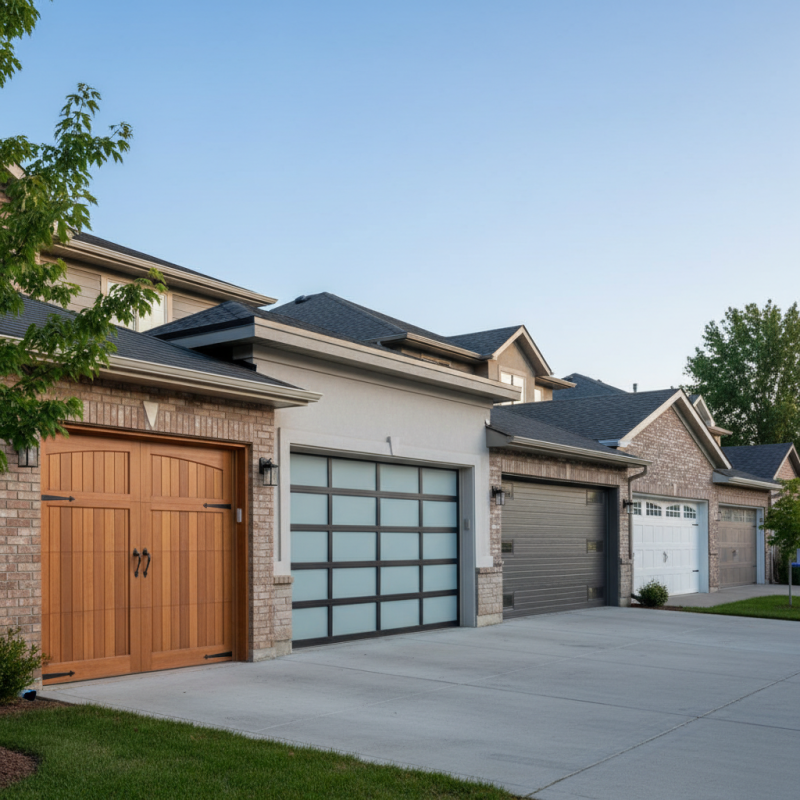
Different styles and materials impact durability and aesthetics. Wooden doors offer natural beauty, while steel doors provide robustness and low maintenance. Homeowners might lean towards a specific style, but they should consider functionality as well. Poor choices can lead to issues like insulation problems or frequent repairs.

Think beyond just looks; the right residential garage doors should also meet practical needs. Things like energy efficiency, weather resistance, and safety features are critical. A hasty decision could result in dissatisfaction later on. Thus, reflecting on these factors is vital before making a choice.
10 Essential Tips for Choosing the Best Residential Garage Doors?

Understanding Different Types of Residential Garage Doors
10 Essential Tips for Choosing the Best Residential Garage Doors?

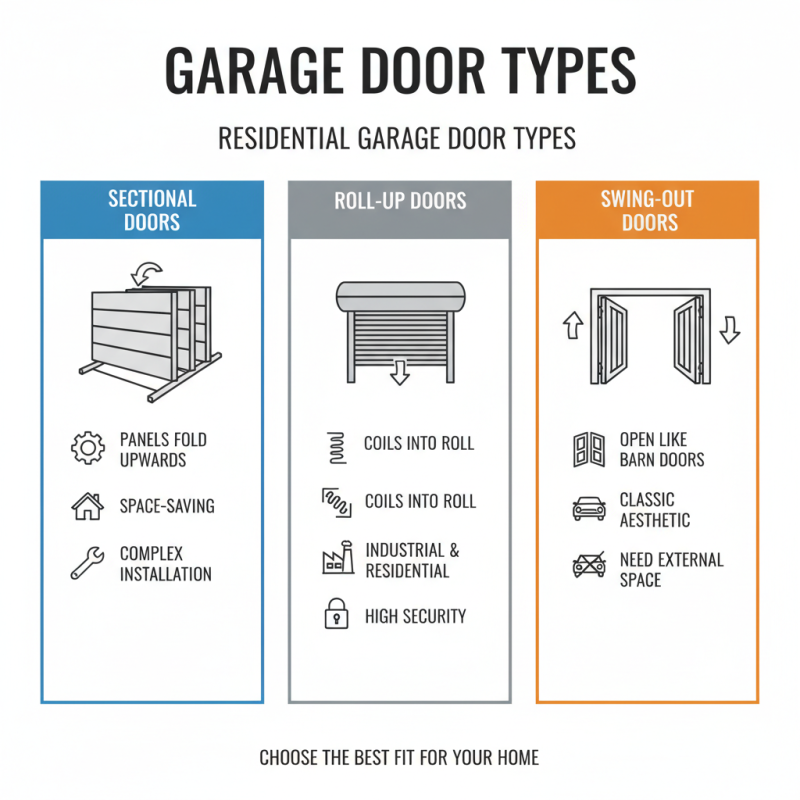
When considering residential garage doors, it’s essential to understand the various types available. You might find options like sectional, roll-up, and swing-out doors. Each type has unique features, which impact functionality and aesthetics. For example, sectional doors consist of panels that fold when opened. They save space but can be challenging to install.

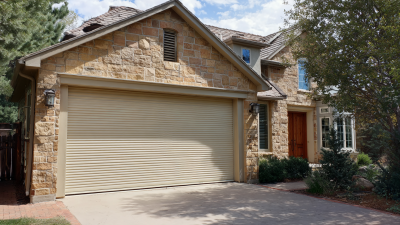
Roll-up doors offer a different approach. They roll into a coil, which is perfect for tight spaces. However, they may lack insulation. Swing-out doors, on the other hand, open like regular doors. They provide a rustic look but require driveway space. Choosing the right style depends on your home’s design and your garage's usage.

There’s also the matter of material. Steel doors are durable, while wood provides charm but needs maintenance. Fiberglass offers flexibility but may show wear easily. Reflect on your climate, style preferences, and how often you’ll use the door. Each option has pros and cons that warrant consideration. Balancing aesthetics and practicality is crucial to find the best fit for your needs.
Evaluating Material Options for Durability and Aesthetics

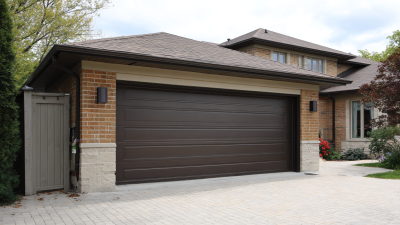
Choosing the right material for residential garage doors is crucial for both durability and aesthetics. Various materials offer different benefits. Steel doors are strong and provide excellent security. They resist dents and can last for years with minimal maintenance. However, they often lack the warmth of wood.

Wood doors bring charm and elegance to any home. They can be tailored to fit any style. However, they require more maintenance. Wood is prone to rot and may need regular painting or staining. This might not be ideal for homeowners seeking low upkeep.

Fiberglass is another option worth considering. It mimics the appearance of wood but is lighter and more resistant to the elements. However, it can crack in extreme temperatures. Homeowners should weigh these factors carefully. Each material has its pros and cons, influencing both appearance and longevity. The decision often reflects personal preference and lifestyle.

Assessing Size and Fit for Your Garage Space

When assessing size and fit for your garage doors, measuring accurately is crucial. Start by determining the width and height of your garage opening. Use a tape measure for precision and take measurements at multiple points. This accounts for any irregularities in your garage structure. Consider the space around your garage door too. Is there enough room for door operation? Always factor in the swing or roll of the door.

If your garage has an unusual shape, it can complicate things. Sometimes, a standard size may not fit. You might find yourself pondering whether to opt for customized doors. Custom options can be a bit more costly, but they ensure an ideal fit. It's worth balancing your budget against the need for functionality and aesthetics. Think about how the door's design will blend with your home’s exterior. Don’t rush this decision; the implications are long-term.

10 Essential Tips for Choosing the Best Residential Garage Doors

Exploring Security Features for Peace of Mind

10 Essential Tips for Choosing the Best Residential Garage Doors?

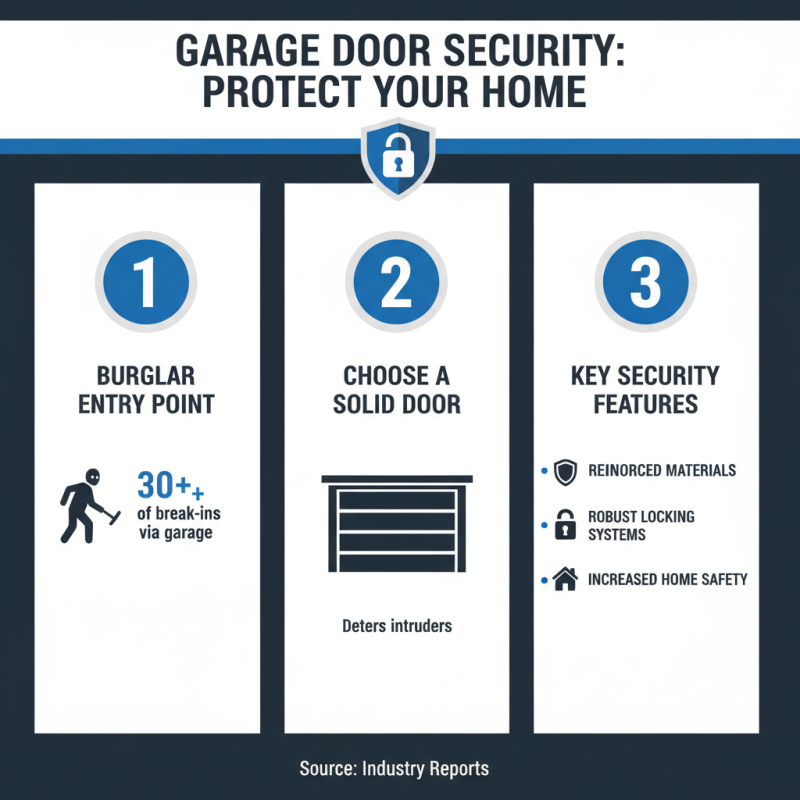
When selecting a residential garage door, security features should be your top priority. According to industry reports, over 30% of burglars enter through garages. A solid door can deter intruders. Look for options with reinforced materials and robust locking systems. A sturdy door increases your home's safety.

Consider smart technology as an added layer. Many modern garage doors come with smart locks and mobile controls. This allows you to monitor access from anywhere. It's essential for peace of mind. Yet, remember that technology can fail. Regular maintenance is necessary.

Evaluate windows and visibility as well. While they can enhance curb appeal, they may compromise security. Frosted or high-impact glass is a good choice for balance. Ensure that any windows have secure locks. It's a detail that shouldn't be overlooked. Finally, think about your neighborhood's crime rates. This information may guide your decisions.

Considering Energy Efficiency and Insulation Ratings

Choosing the right residential garage door involves many factors, especially energy efficiency and insulation ratings. A well-insulated door can significantly reduce energy loss. Look for doors with high R-values. This number indicates the door's thermal resistance. Higher R-values typically mean better energy efficiency.

Consider the material of the garage door. Steel doors provide good insulation, while wood doors offer aesthetic appeal. However, wood might require more maintenance, affecting its long-term energy efficiency. Examine the door's seals as well. Poor seals can lead to drafts, reducing insulation effectiveness.

Don’t forget about windows if you want natural light. Choose double-pane glass for better insulation. Energy-efficient doors can lead to lower utility bills. But remember, initial costs can be higher. Research your options thoroughly. Compare different styles and materials. This process requires time and reflection to find the perfect fit.

10 Essential Tips for Choosing the Best Residential Garage Doors

Tip Number Tip Description Energy Efficiency Rating Insulation Rating (R-Value)
1 Evaluate Material Options (Steel, Wood, Aluminum) Good R-Value: 12
2 Consider Weather Resistance Features Excellent R-Value: 15
3 Check for Safety Features (Auto-Reverse, Sensors) Good R-Value: 10
4 Assess the Aesthetics and Style Options Varies R-Value: 8
5 Review Insulation and Energy Efficiency Standards Excellent R-Value: 16
6 Look for Warranty and Maintenance Options Good R-Value: 12
7 Measure the Garage Door Opening Accurately N/A N/A
8 Consult with Professionals for Installation Good R-Value: 11
9 Choose a Reliable Opener Compatible with the Door Very Good R-Value: 10
10 Factor in Security Features (Locking Systems) Excellent R-Value: 14